
SPR Diary
Logo Design: Everything You Need to Know about Briefing, Creation, and Technical Standards
4 minutes read
date
author
Mario Vaklinov
advertisement
brand identity
Also known as a trademark, logotype, logomark, or corporate mark, a logo is the first thing people notice when they encounter your business—and often the very thing they remember. Although it may look simple or unimportant at first glance, creating a logo involves a series of critical steps and exacting technical standards. In this article, we’ll explore why a professional approach to logo design matters and walk you through every stage of the process.
Why Every Business Needs a Logo
Your logo is more than a decorative graphic—it’s your company’s primary communication tool. It speaks to clients, partners, and competitors, conveying quality and credibility at a glance. A thoughtfully crafted corporate mark helps your brand stand out in a crowded market and forges instant associations with professionalism—whether you sell products, offer services, or work as an independent professional.
- Recognition at any scale—from a billboard to the corner of a pen.
- Consistent branding across packaging, e-mail signatures, contracts, and more.
- A visual cue that tells clients and partners who you are and what you value.
Key Elements of Effective Logo Design
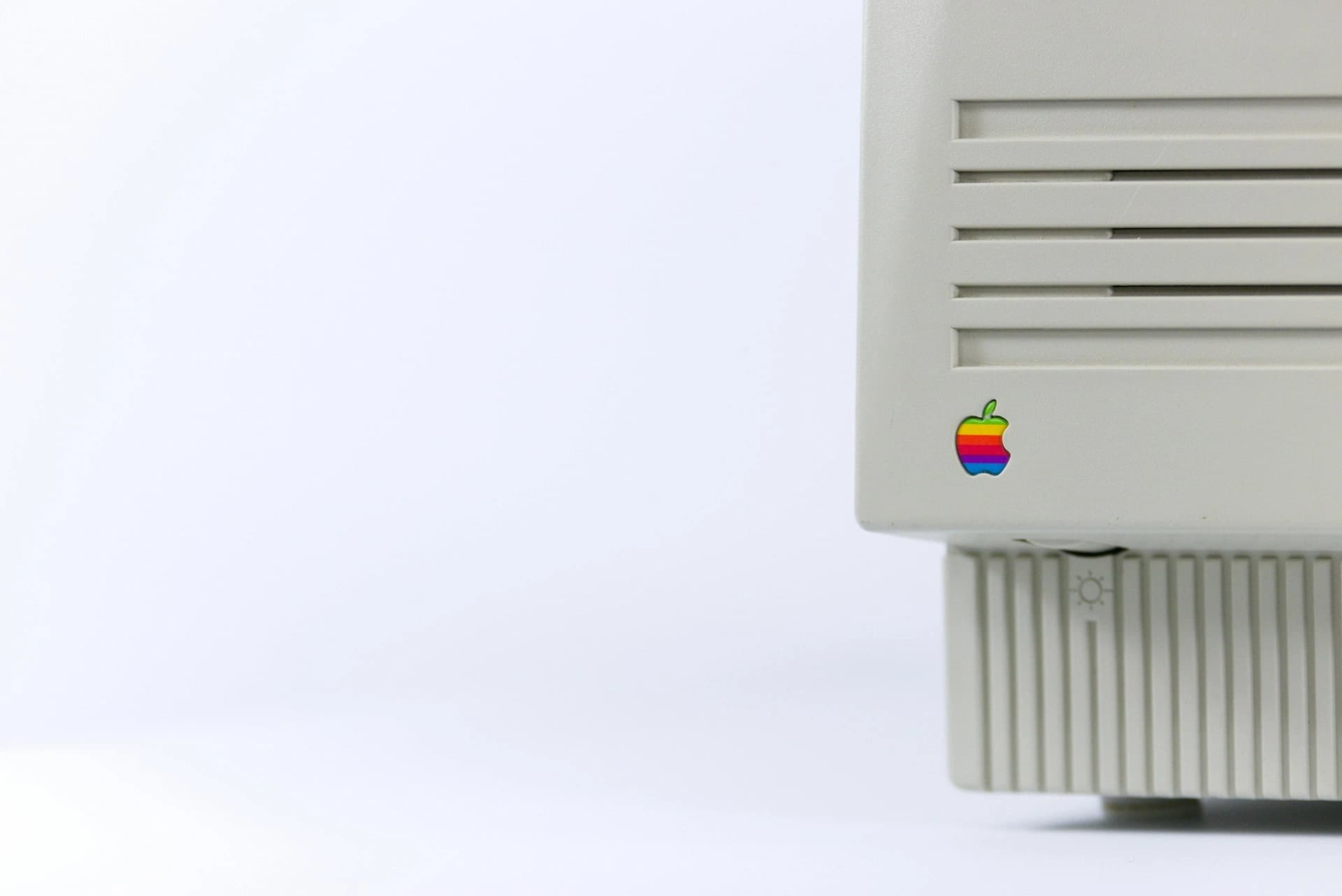
We encounter logos every day: the bitten apple on our phones, the distinctive lettering of our favorite fashion labels, and countless others. Behind every successful mark are four critical components:
1. Readability and Recognition
A great logo must be legible and instantly recognizable, even at very small sizes or when viewed from a distance.
2. Typography
Choosing the right typeface sets the mood and personality of your brand. Whether you seek classic elegance or modern freshness, your font choice carries meaning—so select it with care.
3. Shapes and Graphic Elements
The forms you weave into your mark—curves, angles, and lines—carry subconscious associations. Rounded shapes feel approachable and harmonious; sharp angles suggest precision and energy. Aim for simple, symmetrical forms that remain clear across various sizes and color combinations.
4. Color Palette
Color transforms perception. Think of how fast-food chains lean heavily on red and yellow, while luxury brands often use black and white. Your palette should align with your brand’s personality and market positioning—helping you blend in where needed and stand out where it counts.
The Logo Creation Process: From Concept to Final Design
At Studio Priority, we’ve distilled our workflow into six collaborative steps that balance planning, research, creativity, and technical precision:
1. Discovery and Business Context
We start with a conversation—onsite or online—to understand your business, goals, target audience, competitive landscape, and long-term vision. Good design begins with deep insight.
2. Detailed Questionnaire
You fill out a brief covering your brand values, stylistic preferences, “must-have” elements, and “no-go” items. This questionnaire lays the groundwork for our creative direction.
3. Research and Analysis
We analyze your industry, review competitor identities, and track design trends. This ensures your logo is not just visually appealing but strategically differentiated.
4. Initial Concepts
Drawing on our research and your brief, we develop three distinct logo concepts. Each proposal comes with a creative rationale explaining the idea and the elements we’ve chosen.
5. Feedback and Revisions
You select the concept that resonates most and share your feedback. We refine the chosen design through a set number of revision rounds, ensuring the final logo meets your exact requirements.
6. Finalisation and Handoff
Once approved, we prepare every file format you’ll need—print-ready vector art, web-optimized SVGs, monochrome versions, and more. You also receive a concise usage guide covering clearspace rules, color values, and application do’s and don’ts.
In Summary
A logo is your brand’s visual signature—the symbol that distinguishes you and stays in people’s minds long after first impressions. By partnering with professionals and following a structured process, you ensure your logo reflects both your unique personality and the technical requirements of every medium you’ll use.
For more inspiration and examples from our work, head over to our portfolio. If you have questions or feel we’ve missed something important, click the “contacts” button in the top right corner of this page—let’s talk!